Closest alternatives
Oxseryn EDOG10 4400W Inverter vs. Similar 4,400W Generators
Compare the Oxseryn EDOG10 4400W Inverter with three nearby alternatives using rated output, fuel, weight, noise, product class, and exact-model links.
As an Amazon Associate we earn from qualifying purchases. We do not copy Amazon pricing into this article because price and availability change.
Direct answer
The closest alternative is not automatically the model with the nearest headline wattage. Compare rated output, fuel flexibility, product class, weight, noise evidence, outlet needs, service, and current delivered cost.
Running output
3,400W
Peak output
4,400W
Published weight
56 lb
Class score
54/100
How we selected the closest alternatives
We screened the catalog for nearby rated output, similar fuel flexibility, and the same product category before selecting ECHO EGi-4000, RYOBI RYi4000, RYOBI RYi4022X. This is a starting set, not a paid ranking. A different alternative may be better if your deciding constraint is local service, a particular receptacle, noise evidence, or transport.
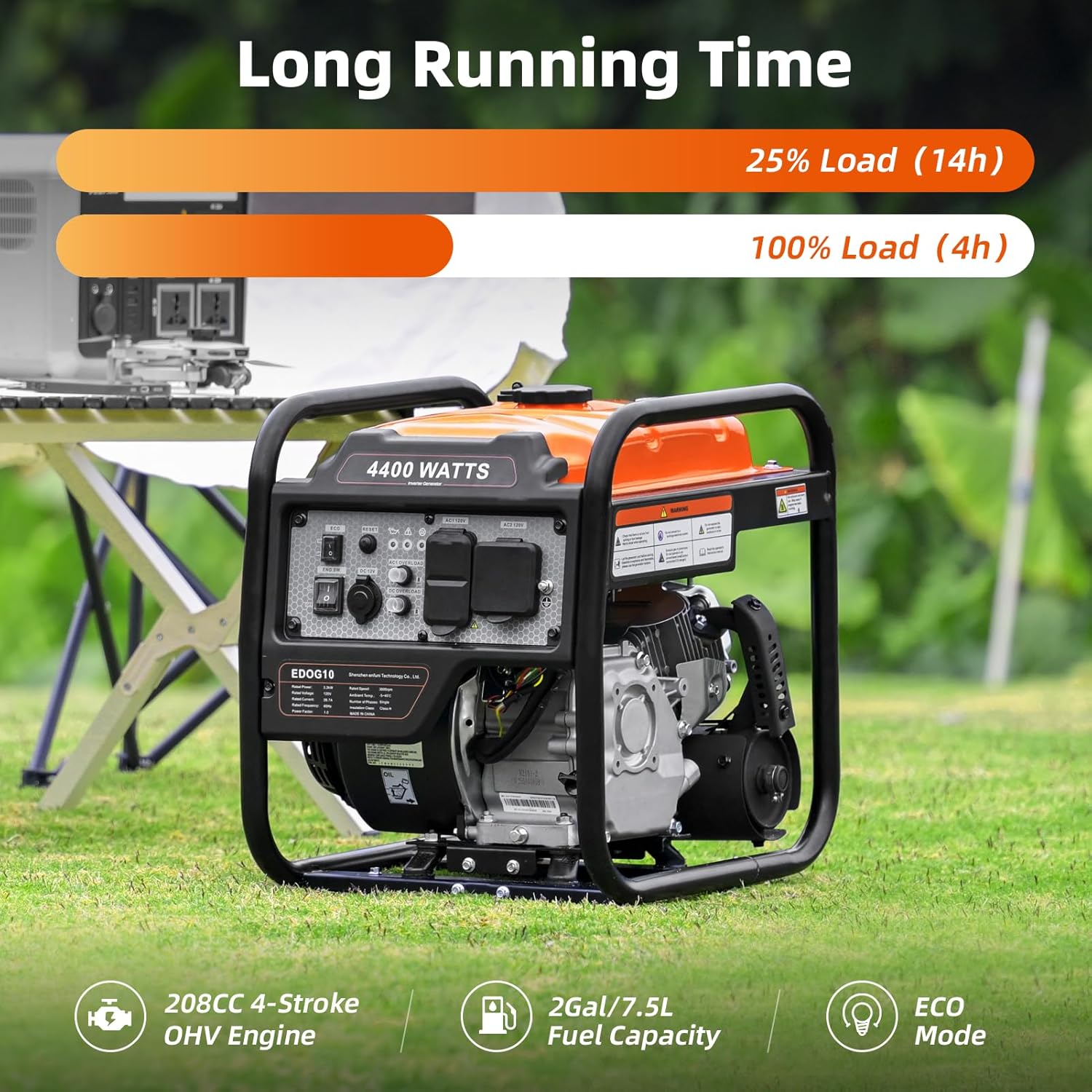
The Oxseryn EDOG10 4400W Inverter baseline is 3,400W running, 4,400W peak, gasoline, 56 lb, and no normalized sound figure.
Why keep the Oxseryn EDOG10 4400W Inverter on the shortlist
Running output is 3,400W, compared with a 3,500W median across 177 mid output inverter generators; higher than 35% of its class.
Gasoline keeps the operating plan straightforward, but it also makes fuel storage, rotation, and outage availability part of the buying decision. A compact open-frame inverter generator with 4,400 starting watts, a 2-gallon tank, four listed outlets, and long light-load runtime.
Compare ECHO EGi-4000
ECHO EGi-4000 publishes 3,400 running watts and 4,000 peak watts. That is 0 running watts above the Oxseryn EDOG10 4400W Inverter.
It uses gasoline, is listed at 86 lb, and has a 67 dBA published sound figure. Open the exact product page to compare outlets, manuals, ownership evidence, and current seller routes.
Compare RYOBI RYi4000
RYOBI RYi4000 publishes 3,400 running watts and 4,000 peak watts. That is 0 running watts above the Oxseryn EDOG10 4400W Inverter.
It uses gasoline, is listed at 85 lb, and does not have a normalized sound figure in the catalog. Open the exact product page to compare outlets, manuals, ownership evidence, and current seller routes.
Compare RYOBI RYi4022X
RYOBI RYi4022X publishes 3,400 running watts and 4,000 peak watts. That is 0 running watts above the Oxseryn EDOG10 4400W Inverter.
It uses gasoline, is listed at 85 lb, and does not have a normalized sound figure in the catalog. Open the exact product page to compare outlets, manuals, ownership evidence, and current seller routes.
Choose by the constraint that matters
Choose more output only when the written load plan requires it. Choose lower weight when one-person deployment matters. Choose multi-fuel capability when fuel availability is a real risk. Choose clearer sound evidence for close-quarters use. Choose the stronger service network when downtime would defeat the backup plan.
Open the side-by-side comparison with the exact models, then use current delivered cost as one decision factor. A short-lived sale should not outweigh a permanent mismatch in voltage, outlet, fuel, sound, transport, or warranty needs.
Closest catalog alternatives
Three similar generators worth comparing.
ECHO
EGi-4000
3,400W running · 4,000W peak · Gasoline
Inspect modelRYOBI
RYi4000
3,400W running · 4,000W peak · Gasoline
Inspect modelRYOBI
RYi4022X
3,400W running · 4,000W peak · Gasoline
Inspect modelQuick answers
Oxseryn EDOG10 4400W Inverter FAQ
How many running watts does the Oxseryn EDOG10 4400W Inverter provide?
3,400 running watts are listed in the normalized catalog. The model also lists 4,400 peak watts for temporary startup demand.
What fuel does the Oxseryn EDOG10 4400W Inverter use?
Gasoline. When multiple fuels are supported, verify the separate output and runtime figures for the fuel you plan to use.
What is the best alternative to the Oxseryn EDOG10 4400W Inverter?
The best alternative depends on the constraint you want to improve: output, fuel, weight, noise evidence, outlets, service, or delivered cost. This guide identifies three nearby catalog choices for direct comparison.
Sources and method
Check the evidence behind the analysis.
Continue this model research