
10 decision guides
Westinghouse WGen9500DF
9,500W running · 12,500W peak · Dual fuel: gasoline + propane
Open research hubGenerator learning center
Learn the fundamentals, then open exact-model research for the review, load, runtime, connection, ownership, comparison, or buying question you are trying to answer.
What every guide includes
Exact model and verified specifications
What it can realistically power
Safety and connection limits
Alternatives worth comparing
Source links and updated dates
A clear next step to size or compare
See the catalog behind our comparisons and how we separate manufacturer facts, calculations, and editorial judgment.
14 product research hubs · 10 guides each
These pages add original class comparisons, use-case judgment, alternatives, safety boundaries, first-party source links, and transparent unknowns. Every hub links back to the complete product evidence and current seller routes.
9,500W running · 12,500W peak · Dual fuel: gasoline + propane
Open research hub
5,100W running · 6,800W peak · Dual fuel: gasoline + propane
Open research hub
10,500W running · 13,000W peak · Gasoline + Propane
Open research hub
5,300W running · 6,500W peak · Dual fuel: gasoline + propane
Open research hub

4,000W running · 4,800W peak · Dual fuel: gasoline + propane
Open research hub
6,600W running · 8,200W peak · Tri-fuel: gasoline + propane + natural gas
Open research hub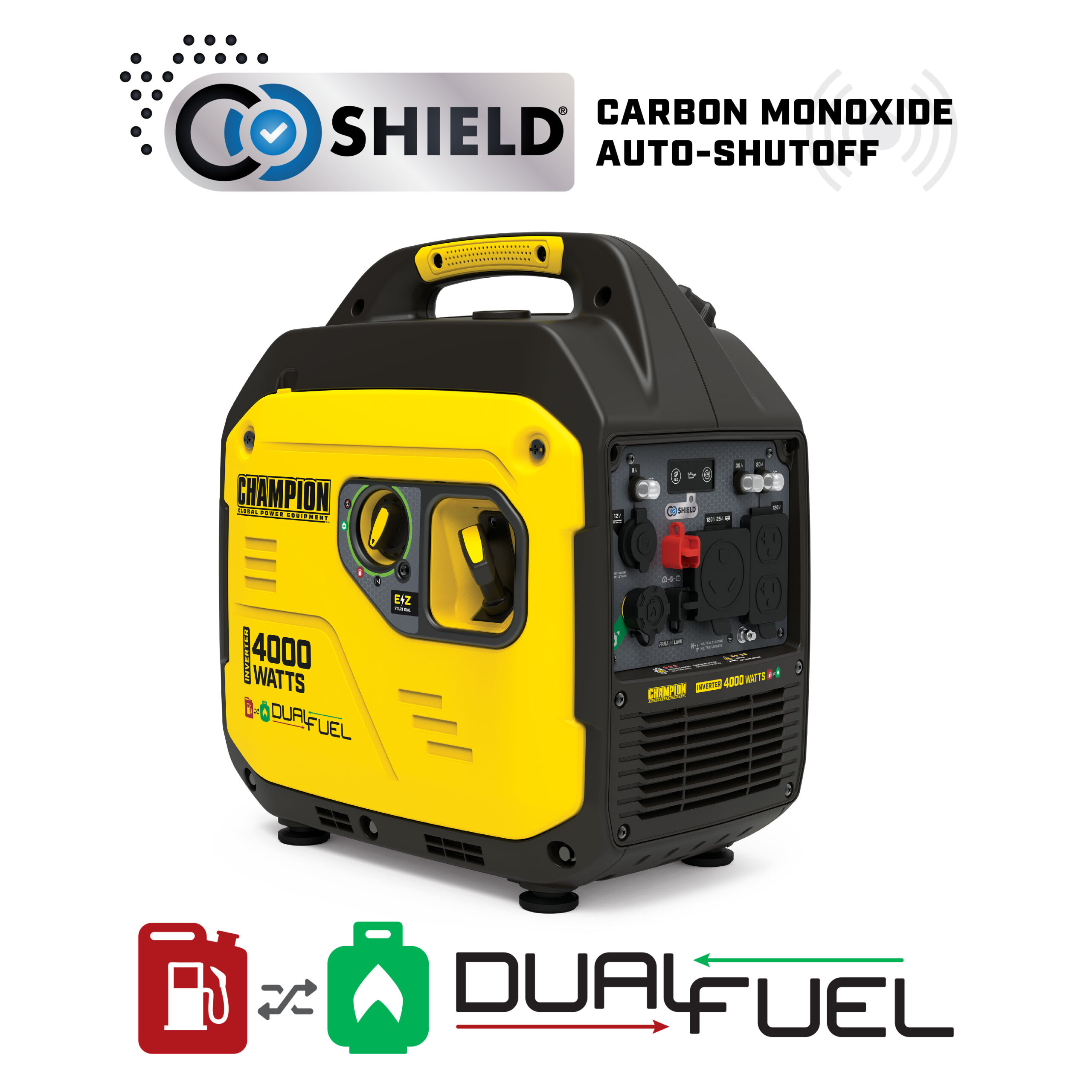
3,000W running · 4,000W peak · Gasoline + Propane
Open research hub
3,900W running · 5,000W peak · Dual fuel: gasoline + propane
Open research hub

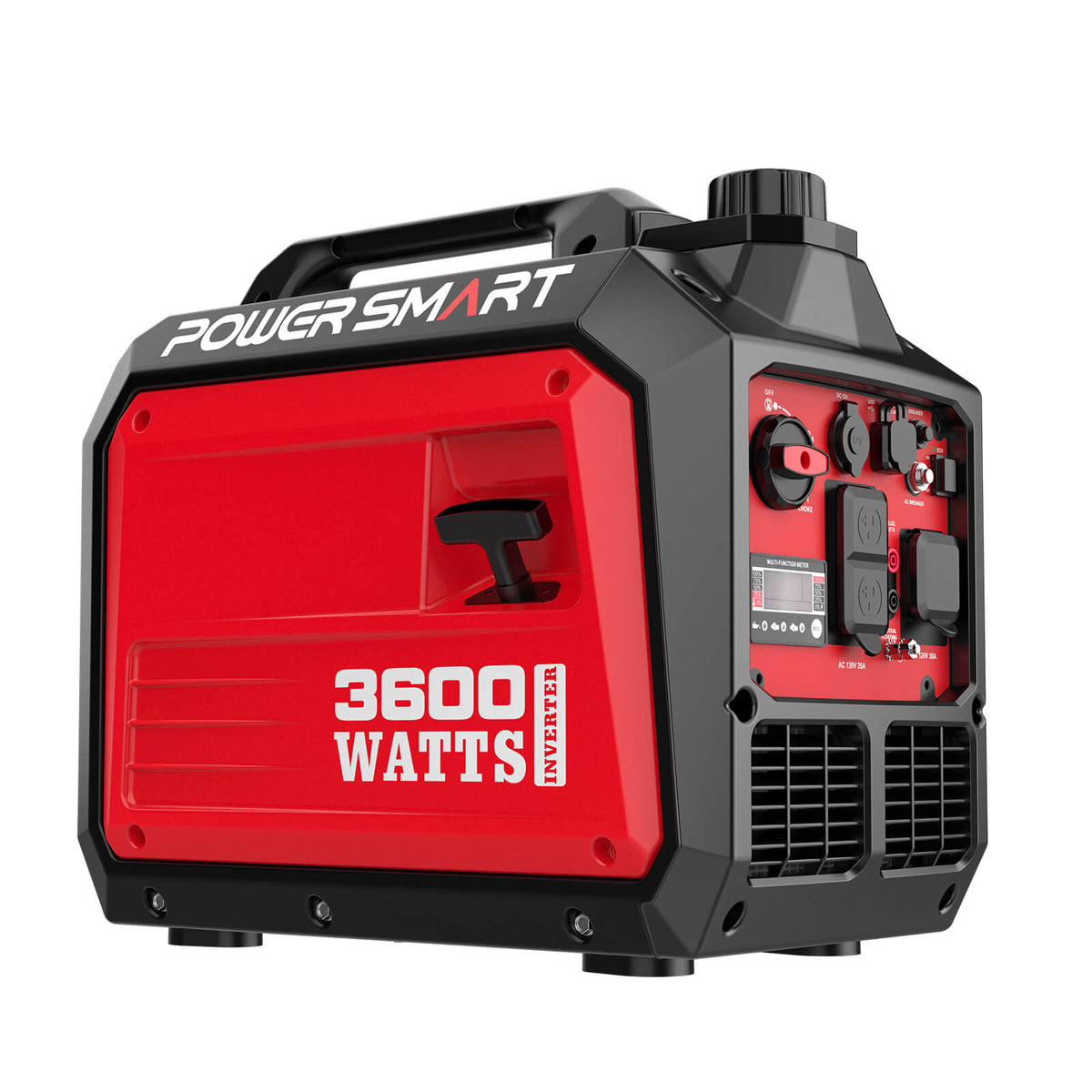
3,200W running · 3,600W peak · Gasoline
Open research hub
3,500W running · 4,500W peak · Gasoline
Open research hub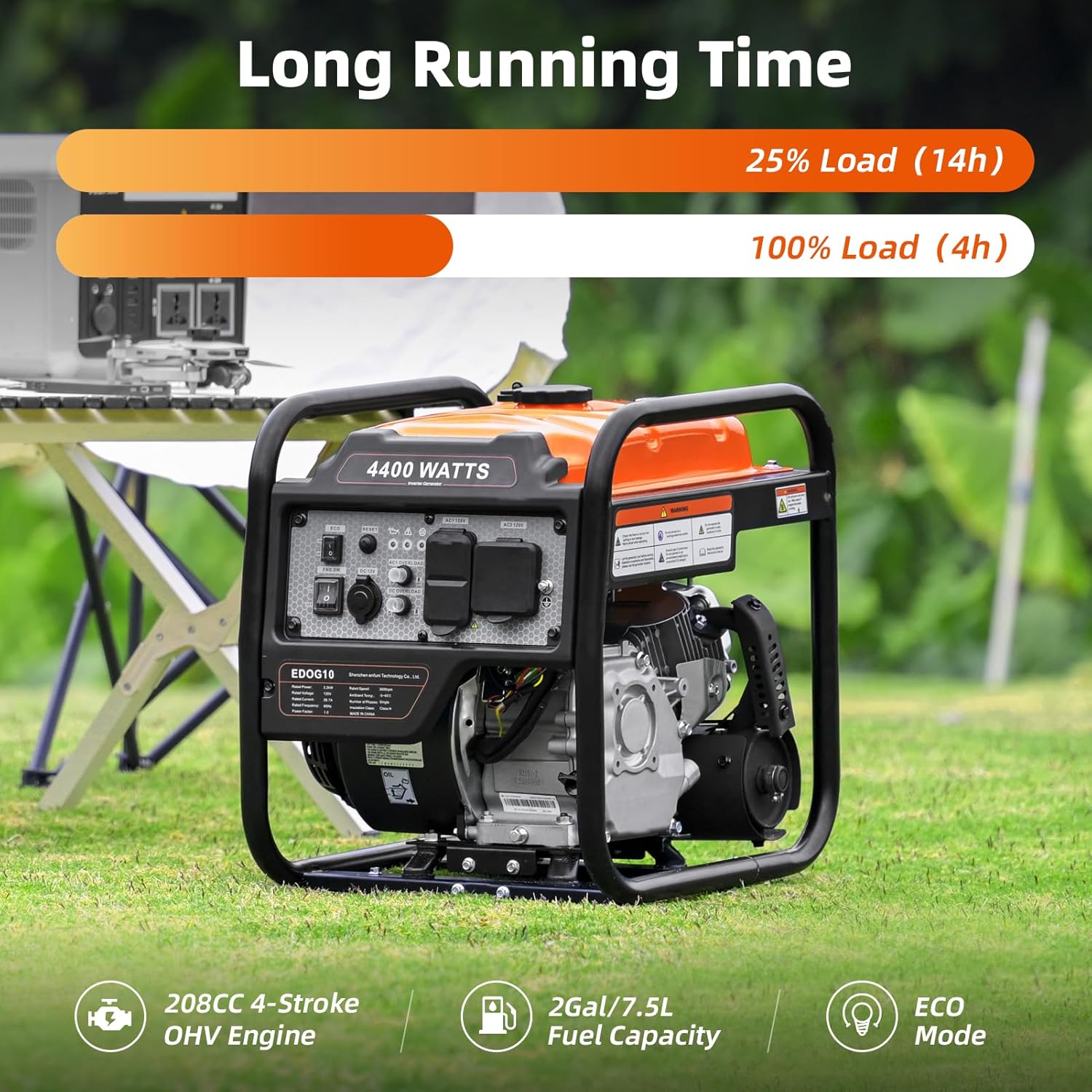
3,400W running · 4,400W peak · Gasoline
Open research hub4 guides
Calculate the load, understand fuel and runtime, and define what the backup plan must accomplish.
Sizing 101
8 min readA practical method for adding running watts, startup surges, and enough headroom to choose a useful generator size.
Add the running watts of everything you will use at once, add the single largest extra startup surge, then leave roughly 15–25% headroom.
Fuel guide
10 min readCompare output, storage, runtime, noise, maintenance, and indoor-use constraints before choosing a power source.
Gas usually delivers strong portable output, propane stores more cleanly, and batteries are quiet and can be used indoors—but each solves a different outage problem.
Home backup
9 min readLearn the difference between powering essential circuits and supporting an entire home, including transfer equipment and large electric loads.
A portable generator can often cover selected essential circuits, but “everything at once” may require load management or a professionally installed standby system.
Runtime planning
9 min readEstimate engine-generator or power-station runtime without confusing a best-case manufacturer rating with the time your own load will receive power.
Runtime depends on average load, not only generator size: use the published load condition for engine ratings and usable watt-hours for battery estimates.
1 guides
Understand the design choices that change output quality, sound, weight, efficiency, and cost.
Technology guide
8 min readCompare how inverter and conventional portable generators produce power, then choose based on output, sound, portability, efficiency, and price.
Choose an inverter generator when lower-load efficiency, portability, and lower sound matter; choose a conventional open-frame model when high output per dollar is the stronger priority.
1 guides
Separate appliance-level connections from household wiring and know when qualified installation is required.
Safe connection planning
9 min readUnderstand the safe boundary between directly powering selected appliances and connecting a portable generator to household wiring.
Heavy-duty cords can feed selected appliances directly; powering home circuits requires approved transfer equipment installed for the exact electrical system.
1 guides
Keep the exact model ready through documented inspection, maintenance, exercise, fuel, and storage routines.
Ownership guide
10 min readBuild a model-specific readiness routine for inspection, exercise, oil, air filters, fuel, batteries, storage, and pre-outage testing.
The owner’s manual controls every interval and procedure; use a written log so fuel treatment, oil service, battery care, and exercise do not depend on memory.
Ready for product matches?
Use-case rankings screen the same catalog against published page criteria and show the raw specifications behind every match.